LinkedIn Outreach Sequence Best Practices: Connection to Message to Follow-Up
October 24, 2025 · 4 min read · by Ahmet Faruk Yilmaz, Founder of Asphia
TL;DR
A high-performing LinkedIn outreach sequence connects first with a short personalized note, waits 2-3 days after acceptance, then sends a concise value-focused message. One or two well-spaced follow-ups are the ceiling. Anything beyond that damages reply rates and sender reputation.
The most common reason LinkedIn outreach sequences fail is not the copy. It is the structure. Too many messages, sent too fast, with nothing specific to say. Here is what actually works: connect with context, message with precision, follow up once or twice, then stop.
The Connection Request: Earn the Accept, Nothing More
Your connection note is not a pitch. It is a handshake. The only job it has is to make the person curious enough to click Accept.
Keep it to one sentence. Reference something real: a post they published, a role change, a market you both operate in, a tool they mentioned publicly. Generic notes (“I’d love to connect and explore synergies”) get ignored or declined at far higher rates than specific ones.
If you cannot find something real to reference, send the request without a note rather than writing something hollow. Blank requests still get accepted at decent rates for relevant profiles. A bad note actively hurts you.
The First Message: Timing and Format
Wait two to three business days after the connection is accepted. Firing a pitch within minutes signals automation, even if you wrote every word by hand.
The message itself should be three to five sentences. No links. Plain text. Structure it as follows:
- One specific observation about them or their situation (not a generic compliment).
- One clear reason you are reaching out, tied to something they would care about.
- A low-friction question or offer, not a calendar link as your opening move.
Asking a yes or no question (“Does managing X still sit with you or has that moved to someone else on your team?”) gets more replies than asking for 30 minutes on a Tuesday. Once they respond, you have a real conversation.
For teams doing this at volume, signal-based personalization via Clay enrichment makes it possible to pull genuine data points at scale without writing every hook from scratch.
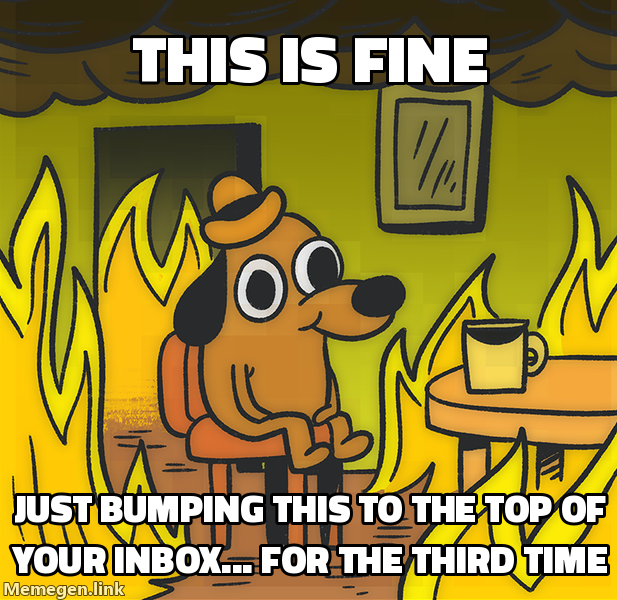 Three identical follow-ups tells the prospect nothing has changed. Because nothing has.
Follow-Ups: One or Two, Then Release
Most LinkedIn sequences that underperform are too long, not too short. The data from outbound teams running sequences consistently shows a steep drop in reply probability after the second follow-up. The third or fourth message mostly reaches people who have already decided not to reply.
A practical sequence looks like this:
- Day 0: Connection request with one-sentence note
- Day 2-3 after acceptance: First message (observation, relevance, soft CTA)
- Day 7-10: One follow-up, adding a different angle or piece of value (a relevant article, a brief insight, a changed framing)
- Day 14-18: Optional final close (“Happy to leave this here if the timing is off. Worth a quick connect when the moment is better?”)
After that, remove them from active sequence. You can re-engage in 60 to 90 days if the situation changes.
What Kills LinkedIn Sequences (and How to Avoid It)
Leading with a pitch in the connection note. It reads as desperation, not confidence. Connect first, sell later.
Sending a wall of text. LinkedIn messages are read on mobile. If your message does not fit in a single scroll, it will not be read at all.
Identical follow-ups. Each message should bring something new: a different angle, a question they have not been asked, a relevant development in their industry. Sending “Just wanted to bump this to the top of your inbox” three times tells the prospect nothing has changed.
Skipping the human review layer. Automated sequences without a human approving each message before it goes out create brand risk. If a message goes to the wrong person or with a factual error, it is already in their inbox. At Asphia, every message that goes out has a human approval step, regardless of how much of the process was built by automation.
LinkedIn vs. Cold Email: When to Use Which
LinkedIn works best for senior buyers and founders who are active on the platform, roles where a professional profile validates your relevance before they even read your message, and markets where email deliverability is a challenge.
Cold email scales better for high-volume prospecting and for personas that are less active on LinkedIn. The two channels also compound well when run together: a LinkedIn touch before or after a cold email sequence increases overall reply rates because the prospect has seen your name in more than one place.
If you are deciding between channels or want to see how a combined approach works in practice, done-for-you outbound builds both into a single system.
Building the Sequence Into Your Stack
The best LinkedIn outreach sequences are not written one by one. They are designed as templates with variable slots for signal-based personalization, reviewed by a human before each send, and tracked by reply rate per message step so you can iterate on what works.
If you are running outbound for a B2B services firm or a SaaS company and want to see how this gets built and deployed without hiring a full SDR team, how to book meetings without an SDR walks through the full motion.
The sequence is rarely the problem. The signals, the timing, and the discipline to stop after two follow-ups almost always are.
Get the signal tier list in your inbox.
We rank signals from S to D to decide who gets a cold email and who does not. You get the list once. No follow-up emails.
Request received. The list lands in your inbox within 24 hours.
One more step: send the prepared request to [email protected]
FAQ
How many messages should a LinkedIn outreach sequence have?
Three to four touchpoints is the effective ceiling: a connection request, an initial message after acceptance, one follow-up if no reply, and an optional final close. Adding more messages beyond this point typically produces diminishing returns and increases the chance of being reported as spam.
Should you include a note with your LinkedIn connection request?
Yes, but keep it short. A one-sentence note that references something specific about the prospect (a recent post, a shared industry event, or a role transition) outperforms a blank request and a generic 'I'd love to connect' equally. The goal is just enough context to earn the acceptance.
How long should you wait between LinkedIn outreach messages?
Wait at least two to three business days after a connection is accepted before sending your first message. Then allow four to seven days between follow-ups. Sending immediately after acceptance feels automated and reduces trust, even if the message itself is well-written.
What is the best format for a LinkedIn outreach message?
Short, plain text, no links in the first message. Three to five sentences: a specific observation about them or their company, one clear reason you are reaching out, and a low-friction call to action such as asking a single yes or no question rather than requesting a call immediately.
How do you personalize LinkedIn outreach at scale without it feeling fake?
Use signal-based personalization: pull recent company news, funding rounds, job postings, or the prospect's own posts as the hook. Tools like Clay can source these signals and slot them into message templates. A genuine data point beats a vague compliment every time.
Does LinkedIn penalize automated outreach sequences?
LinkedIn does enforce limits on connection requests and messages per week, and accounts sending at high volume with low acceptance rates risk temporary restrictions. Staying within accepted limits, keeping acceptance rates healthy, and sending through approved tools (not browser scrapers) keeps your account safe.

Ahmet Faruk Yilmaz
Founder of Asphia. He builds and runs signal-based B2B outbound engines for lean teams, and has booked meetings with teams at companies across five markets. Writes about cold email, Clay, deliverability, and GTM engineering.
Want this run for you?
Get a free GTM analysis. We show you the exact engine we would build.
Get your free GTM analysis →